Introduction
When people ask what specialize pushyourdesign means, they are usually looking for a clearer picture of the design areas associated with Pushyourdesign and how those ideas can help create a more functional and attractive home. Home design is not limited to choosing attractive furniture or matching wall colors; successful interiors also consider layout, lighting, materials, storage, comfort, and everyday use.
Pushyourdesign can be understood in the broader context of modern home decor and interior design, where practical decisions are combined with personal style. The right approach depends on the room, available space, budget, architectural features, and the way people use the home.
This guide explains the major areas of home design that readers can explore, along with practical considerations for making decorating decisions that work beyond photographs and trends.
What Areas Can Pushyourdesign Focus On?
Home design covers several connected disciplines. Rather than treating each decision separately, a good decorating process considers how layout, furniture, colors, lighting, textures, and accessories work together.
Common areas include:
- Interior decorating and room styling
- Furniture selection and arrangement
- Color palette development
- Lighting design
- Wall and surface treatments
- Storage and organization
- Small-space planning
- Living room and bedroom design
- Kitchen and dining-area styling
- Home accessories and finishing details
- Modern, traditional, minimalist, and transitional interiors
The appropriate combination depends on the property and the homeowner’s goals.
Interior Decorating and Room Styling
Interior decorating is concerned with the visual and practical character of an interior space. It can involve selecting furniture, colors, fabrics, artwork, rugs, curtains, decorative objects, and other elements that establish a consistent look.
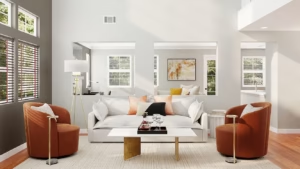
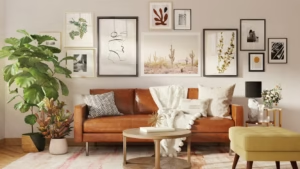
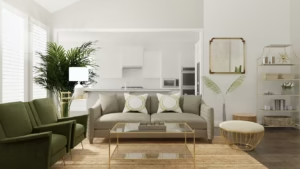
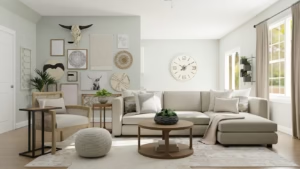
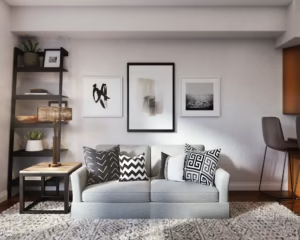
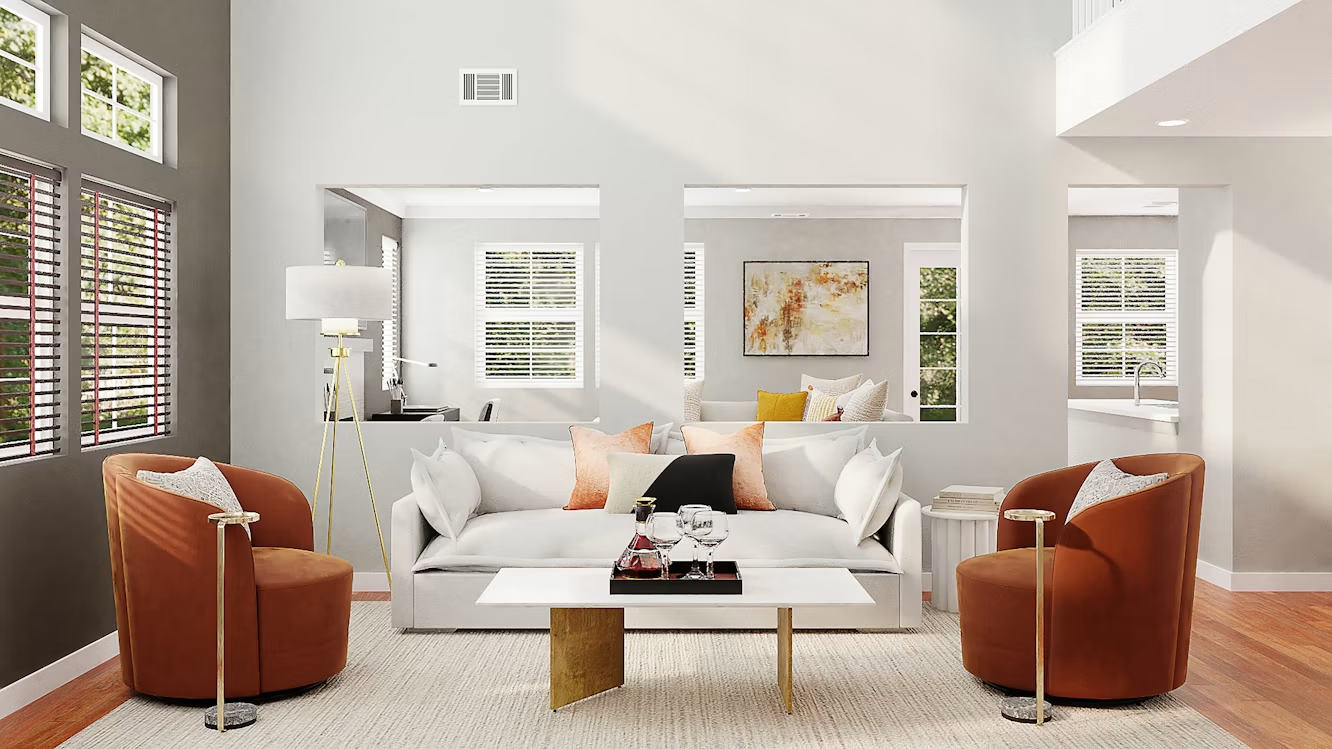
A room generally feels more considered when its individual elements relate to one another. For example, a neutral sofa can provide a flexible foundation while patterned cushions, artwork, an area rug, and carefully selected lighting introduce personality.
Room styling should also account for how much visual activity a space can comfortably handle. Adding more decorative pieces does not necessarily make a room more interesting. Sometimes removing unnecessary objects creates a clearer and more balanced result.
Furniture Selection and Layout
Furniture has a major effect on how a room functions. Before buying individual pieces, consider the room’s dimensions, circulation routes, doors, windows, and existing architectural features.
Useful questions include:
- How many people normally use the room?
- Where should people walk through the space?
- Which furniture needs to be easily accessible?
- Does the furniture fit the room’s proportions?
- Is there enough storage?
- Can doors, drawers, and windows operate without obstruction?
For example, a large sectional may provide plenty of seating but can overwhelm a compact living room. A combination of a smaller sofa and occasional chairs may provide more flexibility.
Good furniture planning therefore begins with measurements and intended use rather than appearance alone.
Color Schemes for Different Rooms
Color influences the visual character of an interior, but choosing a palette involves more than selecting a favorite paint color.
Consider:
- Natural daylight
- Artificial lighting
- Existing flooring
- Furniture colors
- Ceiling height
- Room size
- Adjacent rooms
- Desired atmosphere
A neutral palette can create a calm foundation, while stronger colors can be introduced through an accent wall, artwork, upholstery, or accessories. Using related tones throughout connected spaces can also create visual continuity.
It is useful to view paint samples in the actual room at different times of day because colors can appear different under changing natural and artificial light.
Lighting and Ambience
Lighting is both functional and decorative. A well-designed room typically needs more than one type of light source.
Ambient Lighting
Ambient lighting provides general illumination throughout the room. Ceiling fixtures and other broad sources commonly serve this purpose.
Task Lighting
Task lighting is concentrated where specific activities take place. Examples include reading lamps, desk lights, kitchen work-area lighting, and bedside fixtures.
Accent Lighting
Accent lighting draws attention to selected features such as artwork, shelving, architectural details, or decorative objects.
Combining these layers can make a room more adaptable. Bright general lighting may be useful while cleaning, while softer task or accent lighting can create a more relaxed atmosphere in the evening.
Small-Space and Functional Design
Small rooms require careful planning because every piece of furniture occupies valuable floor area.
Several strategies can help:
- Choose furniture that fits the room rather than simply filling it.
- Keep clear walking routes.
- Use vertical storage where appropriate.
- Select pieces that perform more than one function.
- Avoid excessive decorative clutter.
- Use mirrors carefully when they genuinely improve the space.
- Maintain visual consistency between major furniture pieces.
The goal is not to make a small room look empty. Instead, the objective is to make the available space work efficiently while retaining personality.
Home Decor Styles
Different decorating styles offer different visual languages. Understanding the characteristics of a style can make it easier to select compatible pieces.
Modern
Modern interiors often emphasize clean forms, restrained decoration, functional furniture, and a controlled material palette.
Minimalist
Minimalist interiors focus on simplicity, useful objects, open space, and limited visual clutter.
Traditional
Traditional decorating can incorporate classic furniture forms, layered textiles, established patterns, and decorative details.
Transitional
Transitional interiors combine elements associated with traditional and contemporary design, creating a balance between familiar forms and simpler modern details.
Eclectic
Eclectic interiors bring together different influences, colors, periods, or materials. The challenge is creating enough visual connection that the room feels intentional rather than random.
No single style is automatically appropriate for every home. The best starting point is usually the building, the room’s function, and the preferences of the people who live there.
Choosing Materials and Textures
Materials add both visual and physical character to an interior. Wood, stone, glass, metal, cotton, linen, wool, leather, and synthetic materials can all contribute different qualities.
Texture becomes especially useful in rooms built around a restrained color palette. For example, combining smooth surfaces with woven fabrics, textured rugs, natural wood, or softly upholstered furniture can create depth without requiring many colors.
Durability also matters. A material that looks attractive but is difficult to maintain may be unsuitable for a busy family room, entrance, or dining area.
When choosing finishes, consider appearance alongside cleaning requirements, durability, comfort, and the amount of everyday use the material will receive.
Storage and Organization
Decorating and organization are closely connected. A beautifully styled room can become difficult to use if everyday possessions have nowhere to go.
Storage solutions may include:
- Built-in cabinetry
- Shelving
- Storage benches
- Baskets and boxes
- Bedside storage
- Entryway furniture
- Multi-purpose furniture
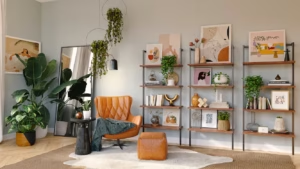
Open shelving can display books and decorative objects, while closed storage can hide items that would otherwise create visual clutter.
A practical storage plan begins by identifying what actually needs to be stored. Measuring those items before selecting cabinets or shelves can prevent wasted space and unsuitable furniture.
Designing Around How You Live
A successful interior should reflect real behavior rather than an idealized photograph.
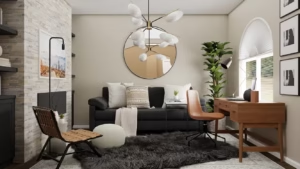
A household that regularly entertains guests may need flexible seating and surfaces for serving food. Someone who works from home may need dedicated task lighting, an appropriate desk, and convenient storage. Families with children may prioritize durable surfaces and furniture that can withstand frequent use.
This is why there is no universal formula for home decorating. The same room dimensions can require very different solutions depending on how the space is used.
Common Home Design Mistakes to Avoid
Even attractive decorating ideas can create problems when they are applied without considering the room.
Buying Furniture Before Measuring
A piece can look perfect online but be too large for the intended space. Measure both the room and the access route before purchasing.
Choosing Trends Over Function
A fashionable design may not suit the way a household actually lives. Consider whether the choice will remain useful after the trend changes.
Using Only One Light Source
A single ceiling fixture may provide general illumination but can leave work areas, reading corners, or decorative features poorly lit.
Ignoring Scale
Furniture and accessories should relate to the proportions of the room and to one another. Oversized pieces can make a compact room feel crowded, while very small pieces may appear disconnected in a large space.
Adding Accessories Without a Plan
Decorative objects work better when they have a relationship through color, material, shape, theme, or placement. Filling every available surface can make a room feel busy.
How to Approach a Home Decorating Project
A practical design process can be broken into a few stages:
- Define the purpose of the room. Decide what activities the space needs to support.
- Measure the space. Record walls, doors, windows, ceiling height, and fixed features.
- Establish priorities. Separate essential purchases from optional decorative additions.
- Create a basic layout. Consider furniture placement and circulation before selecting finishes.
- Develop a color and material palette. Choose elements that can work together.
- Plan lighting. Include general, task, and accent lighting where appropriate.
- Add furniture and storage. Prioritize comfort, scale, durability, and functionality.
- Finish with accessories. Use artwork, textiles, plants, and decorative objects to personalize the room.
- Review the space. Remove items that create clutter or do not contribute to the room’s purpose.
Working in this order can reduce unnecessary purchases and make the final design more coherent.
Pushyourdesign and Practical Home Inspiration
For readers exploring Pushyourdesign in the context of home decor, the most useful design inspiration is not simply a collection of attractive rooms. Good inspiration should help explain why a particular room works.
Look for details such as:
- How furniture is positioned
- How colors relate to one another
- Where light comes from
- How storage is incorporated
- Which materials are combined
- How much empty space is preserved
- How the design responds to the room’s actual dimensions
This makes it easier to adapt an idea to a different home instead of attempting to reproduce a photograph exactly.
Frequently Asked Questions
What does Pushyourdesign specialize in?
The phrase can refer to Pushyourdesign’s focus within the broader home design and decorating space. Relevant areas include room styling, furniture, color, lighting, materials, organization, and practical interior ideas. Specific services should be confirmed from the business’s own published information.
What is the difference between interior design and home decorating?
Home decorating generally focuses on finishes, furnishings, colors, accessories, and visual styling. Interior design can involve a broader range of spatial and functional considerations, and in some jurisdictions professional interior design work may involve regulated activities or qualifications.
How should I choose a decorating style?
Start with how you use the room, the architecture of the property, existing furniture, and the atmosphere you want to create. Then identify a few styles that share compatible characteristics rather than trying to reproduce every detail of a trend.
How can I make a small room feel more functional?
Begin with accurate measurements and a clear furniture layout. Prioritize circulation, appropriate-scale furniture, useful storage, and adequate lighting. Avoid filling the room simply because there is available floor or wall space.
Should every room have the same design style?
No. Rooms can have their own character while still sharing connecting elements such as a consistent color family, flooring, wood finish, or general level of formality. The goal is visual continuity rather than identical decoration.
Conclusion
Understanding what Pushyourdesign can represent in the home decor space starts with looking beyond individual decorating trends. Effective design brings together layout, furniture, color, lighting, materials, storage, and personal needs.
For a home project, begin with the room’s purpose and physical constraints. Once those fundamentals are clear, decorative choices become easier to evaluate because every item has a practical and visual role.