Introduction
Modern day designs are changing the way people think about their homes. Instead of focusing only on appearance, contemporary interiors increasingly balance clean visual lines with comfort, storage, flexibility, and the practical needs of everyday life. The result can be a home that feels polished without becoming difficult to live in.
For readers exploring modern day designs pushyourdesign, the most useful starting point is not a particular colour or furniture trend. It is understanding how different design elements work together. Room layout, natural light, materials, furniture scale, texture, and personal belongings all influence whether a modern space feels welcoming or simply sparse.
This guide explains practical ways to introduce modern design into living rooms, bedrooms, kitchens, dining areas, and smaller spaces while keeping the result comfortable and personal.
What Defines Modern Day Interior Design?
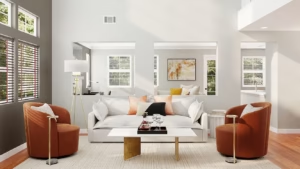
Modern interior design is often associated with simplicity, but simplicity does not mean removing everything from a room. A well-designed modern space usually has a clear visual structure and a deliberate reason for each major element.
Common characteristics include:
- Clean, uncomplicated forms
- Functional furniture
- Open or visually connected layouts
- A restrained colour palette
- Natural and manufactured materials used together
- Effective storage solutions
- Layered lighting
- Carefully selected decorative objects
- Comfortable proportions rather than excessive ornamentation
There is also an important distinction between modern and contemporary design. Modern design traditionally refers to design principles associated with modernism, while contemporary design describes what feels current or present-day. The two can overlap, but they are not identical.
A home does not need to follow one style perfectly. Modern elements can work alongside traditional, rustic, industrial, Scandinavian, or eclectic pieces when the proportions and materials are thoughtfully coordinated.
Start With the Layout Before Buying Décor
One of the most common mistakes in interior decorating is purchasing attractive furniture before considering how the room will actually be used.
Begin by identifying the room’s main activities.
A living room might need to accommodate conversation, television viewing, reading, entertaining, and storage. A bedroom needs comfortable circulation around the bed, useful storage, and appropriate lighting. A dining area needs enough clearance to pull chairs out comfortably.
Before buying anything, consider:
- Traffic flow: Where do people naturally walk through the room?
- Focal point: What should draw attention when someone enters?
- Furniture scale: Are the pieces appropriate for the room’s dimensions?
- Circulation space: Can people move around furniture without squeezing through?
- Storage: Where will everyday items be kept?
- Lighting: Where are natural and artificial light sources located?
A simple floor plan can reveal problems that are difficult to notice when shopping in a showroom or viewing individual products online.
Choose a Restrained Colour Palette
Colour has a major effect on how modern interiors feel. A neutral palette can create a calm foundation, but modern design does not require an entirely white or grey room.
Consider building the scheme around three layers:
1. Base Colour
This covers large areas such as walls, flooring, rugs, or major furniture. Soft white, warm beige, greige, muted taupe, or other restrained shades can provide flexibility.
2. Supporting Colour
Introduce a secondary colour through upholstery, cabinetry, curtains, artwork, or selected furniture.
3. Accent Colour
Use stronger colours sparingly through cushions, ceramics, artwork, books, lamps, or smaller accessories.
Warm earthy colours, muted greens, deep blues, terracotta, and natural wood tones can prevent a neutral room from feeling flat.
The goal is not to eliminate colour. It is to make colour feel intentional.
Use Materials to Add Warmth
A modern room can become visually cold when every surface is smooth, hard, and reflective. Materials provide an easy way to introduce depth.
Try combining contrasting textures such as:
- Wood with stone
- Linen with leather
- Wool with metal
- Matte finishes with subtle gloss
- Woven materials with smooth cabinetry
- Glass with natural timber
For example, a room with simple cabinetry and plain walls can feel much warmer when natural wood, a textured rug, woven baskets, and soft upholstery are introduced.
Material contrast is particularly useful in neutral rooms because it creates visual interest without requiring many colours.
Select Furniture for Function and Proportion
Modern furniture often has simple silhouettes, but the shape alone should not determine what you buy.
Think about how a piece performs in the room.
A sofa should provide enough seating without overwhelming the available floor space. A coffee table should be positioned so people can comfortably reach it. Storage furniture should hold the items you actually need rather than simply filling an empty wall.
Look Beyond Appearance
Before purchasing a major piece, ask:
- Is it comfortable?
- Does its size suit the room?
- Does it provide useful storage or seating?
- Can the surrounding space remain easy to navigate?
- Will its material work with the rest of the room?
- Is it practical to maintain?
These questions help prevent a common design problem: a room that looks good in photographs but is awkward for everyday use.
Make Lighting Part of the Design
Lighting deserves attention from the beginning rather than being treated as a finishing touch.
A useful modern lighting scheme usually combines several types of light.
Ambient lighting provides general illumination throughout the room.
Task lighting supports specific activities such as reading, cooking, working, or preparing food.
Accent lighting highlights artwork, architectural features, shelves, or decorative objects.
Layering these sources gives you more control than relying on one bright central fixture.
Natural light should also influence furniture placement and colour selection. Observe how sunlight enters the room during different parts of the day before deciding where to place major furniture or reflective surfaces.
Bring Nature Into Modern Spaces
Natural materials and plants can soften the structured appearance of contemporary interiors.
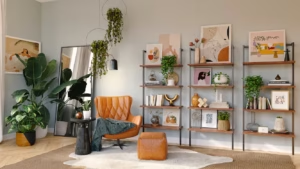
Indoor plants can add colour and organic shapes, while timber, stone, rattan, bamboo, linen, and other natural-looking materials introduce visual warmth.
You do not need to turn a room into an indoor garden. One substantial plant, a small group of plants, or natural branches in a simple vessel may be enough.
The same principle applies to materials. A modern kitchen with smooth cabinetry can gain character from a timber dining table, natural-textured stools, or a stone surface.
Create Modern Kitchens Without Making Them Feel Sterile
Kitchens often benefit from modern design because clean lines and efficient storage can make everyday tasks easier.
Useful approaches include:
- Keep frequently used appliances accessible but organised.
- Use drawers and cabinets to reduce visible clutter.
- Combine practical task lighting with general illumination.
- Choose durable surfaces appropriate to how the kitchen is used.
- Add warmth through timber, textured finishes, or carefully selected accessories.
- Avoid filling every available surface with decorative objects.
An entirely uniform kitchen can sometimes feel overly clinical. Introducing one or two contrasting materials can create a more comfortable visual balance.
Modern Bedroom Design Should Prioritise Comfort
Bedrooms require a different approach from social spaces. The design should support rest rather than simply creating a visually impressive room.
A simple modern bedroom can include:
- A well-proportioned bed
- Soft bedding
- Bedside lighting
- Practical storage
- A restrained colour scheme
- Window treatments suited to the room
- A rug or other tactile surface
- Limited but meaningful decoration
Instead of adding numerous accessories, focus on texture. Layered bedding, curtains, rugs, upholstered furniture, and natural materials can make a simple bedroom feel finished without clutter.
Modern Living Rooms Need Personality
A living room can become too generic if every element comes from the same furniture collection or follows an identical colour scheme.
Personality can come from:
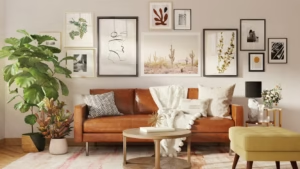
- Original artwork
- Books
- Family photographs
- Vintage furniture
- Handmade ceramics
- Sculptural lighting
- Textured cushions
- Travel objects
- Plants
The key is editing. A few objects with meaning often contribute more character than a large collection of unrelated accessories.
Modern design works particularly well when the architecture and furnishings provide a calm background for personal possessions.
Small Spaces Can Benefit From Modern Design
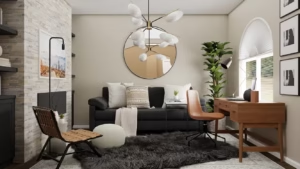
Modern principles can be particularly practical in apartments, compact homes, and smaller rooms.
Instead of trying to make a small room look bigger through decoration alone, concentrate on reducing visual and physical obstacles.
Use Furniture That Performs More Than One Job
Examples include:
- Ottomans with hidden storage
- Extendable dining tables
- Storage beds
- Foldable desks
- Wall-mounted shelving
- Modular seating
Keep the Floor Visible
Furniture with exposed legs can create a greater sense of visual openness than very bulky pieces that occupy large areas of floor.
Use Vertical Space
Tall shelving and wall-mounted storage can make use of otherwise wasted wall area while keeping frequently used items organised.
How to Avoid a Generic Modern Look
Modern design becomes less interesting when it relies entirely on predictable elements: white walls, grey furniture, minimal decoration, and identical finishes.
Instead, introduce contrast deliberately.
For example:
Clean architecture + vintage furniture
A contemporary room can gain character from a well-chosen older chair, cabinet, or table.
Neutral colours + strong artwork
A restrained background allows artwork to become a focal point.
Simple furniture + textured materials
Linen, wool, timber, stone, and woven surfaces can prevent a minimalist room from feeling empty.
Modern finishes + personal objects
Items connected to your interests and experiences can make the space feel like a home rather than a showroom.
Common Modern Design Mistakes
Making Everything Match
A coordinated room does not need every material and finish to be identical. Excessive matching can remove depth and personality.
Choosing Furniture That Is Too Large
Large furniture can overwhelm a room even when the individual piece looks attractive. Measure both the furniture and the route it needs to take through doors, hallways, and staircases.
Confusing Minimalism With Empty Rooms
Minimalism is about intentionality, not simply having fewer possessions. A comfortable chair, artwork, books, and textiles can all have a place in a minimalist interior.
Ignoring Storage
Clutter quickly changes the appearance of a modern room. Storage should therefore be considered during the initial design rather than added as an afterthought.
Using Only One Light Source
A single ceiling fixture rarely provides the flexibility required for different activities and moods. Layered lighting usually creates a more adaptable space.
Following Trends Too Closely
Trends change. Major purchases such as sofas, flooring, cabinetry, and built-in storage should therefore be selected with longevity in mind. Smaller accessories are easier to replace when your preferences change.
A Practical Design Process
If you are redesigning a room, work through the project in this order:
- Define the purpose of the room.
- Measure the available space.
- Map doors, windows, heating elements, and fixed features.
- Decide where major furniture should go.
- Choose a basic colour and material palette.
- Select essential furniture.
- Plan ambient, task, and accent lighting.
- Add rugs, curtains, and other soft furnishings.
- Introduce artwork, plants, and personal objects.
- Remove anything that feels unnecessary or obstructs the room.
This sequence reduces the risk of buying decorative items before solving the more important layout and functional decisions.
FAQ
What are modern day designs in home interiors?
Modern day designs generally emphasise clean forms, practical layouts, restrained colour schemes, useful storage, layered lighting, and a mixture of materials and textures. The exact appearance can vary considerably because modern interiors can incorporate traditional, natural, industrial, or eclectic elements.
Does modern interior design have to be minimalist?
No. Modern design can be minimalist, but it does not require an empty or highly restricted interior. Furniture, artwork, books, plants, textiles, and personal possessions can all be incorporated when they work with the room’s overall composition.
What colours work well in a modern home?
Neutral colours provide a flexible foundation, while muted greens, blues, earthy tones, and other carefully selected accent colours can add personality. The right choice depends on natural light, room size, existing finishes, and personal preference.
How can I make a modern room feel warmer?
Use natural materials and tactile surfaces such as timber, wool, linen, woven textiles, and stone. Warm lighting, plants, artwork, and personal objects can also prevent a modern space from feeling overly clinical.
How can I modernise a room without replacing everything?
Start with layout, lighting, clutter, and colour. Rearranging furniture, updating light fixtures, adding a rug, changing textiles, improving storage, or introducing a few carefully selected accessories can change the character of a room without requiring a complete renovation.
Conclusion
Modern interior design is less about following a fixed visual formula and more about creating a space that works well, looks considered, and reflects the people who use it. Clean lines and restrained colours can provide structure, while natural materials, varied textures, thoughtful lighting, and personal objects keep the result comfortable and individual.
When exploring modern day designs for your home, start with the room’s purpose and layout before choosing finishes and accessories. Good design should make everyday living easier as well as making the space more enjoyable to look at.