Article Body
Decorating PushYourDesign can be approached as a practical way to make a home feel more personal without relying on expensive renovations or copying a single decorating trend. The focus is on combining your own taste with sensible choices in color, furniture, lighting, artwork, storage, and texture.
A successful room should do more than look attractive. It should work for the people who use it. A living room needs comfortable circulation and seating, a bedroom should support a calm atmosphere, and a kitchen needs decoration that does not interfere with everyday tasks.
The most useful approach is to start with the room itself, understand what is not working, and then make deliberate changes rather than buying décor simply because it looks appealing in a showroom or online photograph.
Start With the Purpose of the Room
Before choosing colors or accessories, identify how the space is actually used.
A room may have several purposes. A living room might also be a reading area, home office, children’s play space, or place for entertaining guests. Decorating decisions become easier when these activities are clear.
Ask yourself:
- What happens in this room most often?
- Which furniture needs to remain?
- Where are the natural walking routes?
- What feels uncomfortable or inconvenient?
- Which features of the room do you already like?
- What would you most like to change?
This prevents a common decorating mistake: buying attractive objects without solving the underlying problem.
Build a Color Palette Before Shopping
Color is one of the easiest ways to change the character of a room, but using too many unrelated colors can make the space feel disjointed.
Start with a color you already have in the room, such as the flooring, sofa, curtains, cabinetry, or a favorite piece of artwork. Then select complementary shades for smaller elements.
A practical palette might include:
- A dominant color for larger surfaces or furniture.
- A supporting color for secondary furnishings and textiles.
- An accent color used more sparingly.
- Neutral tones to give the eye somewhere to rest.
You do not need to follow a rigid percentage rule. The right balance depends on the room’s size, natural light, existing materials, and your preferred style.
For rooms with limited daylight, very dark combinations can sometimes feel heavy. Lighter walls and reflective surfaces can help maintain a brighter appearance, while warm accent colors can prevent the room from feeling flat.
Use Furniture to Improve the Layout
Furniture placement can have a greater effect than adding more decoration.
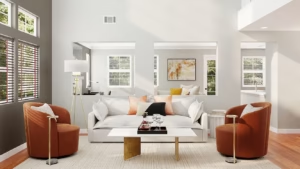
Start by identifying the room’s focal point. This might be a fireplace, large window, television, artwork, architectural feature, or simply the main conversation area. Arrange seating so that the room remains comfortable to use without blocking important routes.
Before purchasing a large item, measure both the furniture and the available space. Also check doorways, stairways, lifts, and other access points if the item needs to be delivered.
Think About Scale and Proportion
A small rug under a large seating arrangement can make the furniture appear disconnected. Similarly, a very small artwork on a large empty wall may look lost.
Instead of considering individual objects in isolation, look at how their sizes relate to one another.
For example:
- Large furniture can benefit from larger artwork or grouped pieces.
- Smaller rooms often work better with appropriately scaled furniture rather than miniature versions of everything.
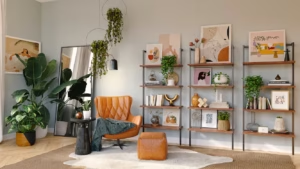
- Tall shelves can make use of vertical space.
- A substantial light fitting may work well over a dining table when the room can visually support it.
Good proportions usually make a room feel intentional even when the décor itself is relatively simple.
Layer Lighting for a More Flexible Room
Lighting should not be treated as an afterthought.
A room commonly benefits from several types of lighting:
- Ambient lighting provides general illumination.
- Task lighting helps with activities such as reading, cooking, working, or applying makeup.
- Accent lighting draws attention to artwork, architectural features, shelves, or decorative objects.
Using several light sources gives you more control than relying entirely on one central ceiling fixture.
For example, a living room could combine a ceiling fixture with a floor lamp beside a chair and a smaller lamp on a side table. In the evening, this creates different lighting options depending on whether you are reading, relaxing, or entertaining.
Natural light matters too. Keep windows as unobstructed as practical and choose window treatments according to the room’s privacy, glare, and light-control requirements.
Add Texture Instead of More Clutter
When a room feels plain, the solution is not necessarily more accessories.
Texture can create visual interest without filling every surface. Consider combining materials such as:
- Wood
- Linen
- Cotton
- Wool
- Woven fibres
- Glass
- Metal
- Ceramic
- Stone
A simple neutral room can gain character from a textured rug, woven basket, upholstered chair, wooden furniture, or layered bedding.
The important distinction is between visual richness and visual clutter. A few materials used thoughtfully can create depth, while too many decorative objects can make the room difficult to maintain.
Make Walls Part of the Design
Blank walls offer useful opportunities for personalization.
Artwork, photographs, mirrors, shelves, textiles, and other wall treatments can help establish the room’s character. However, the size and placement of wall décor matter as much as the artwork itself.
Before hanging anything, consider the furniture beneath it. Artwork above a sofa or console generally works better when its scale relates to the furniture rather than appearing as a small isolated object.
Create a Gallery Wall Carefully
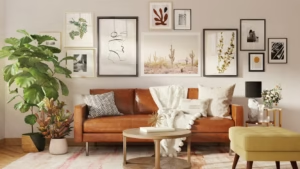
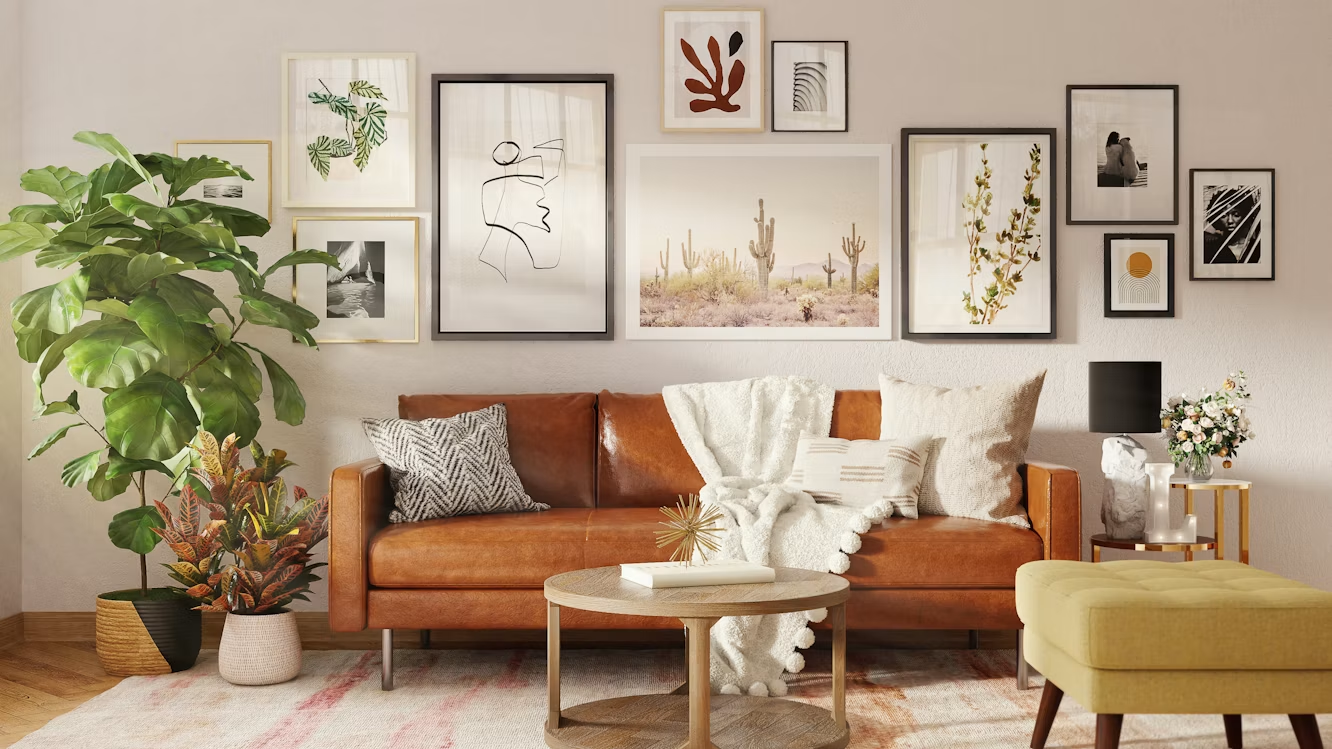
A gallery wall does not have to contain identical frames or perfectly matching artwork.
You can combine:
- Family photographs
- Prints
- Illustrations
- Small mirrors
- Personal collections
- Typography
- Decorative objects
To keep the arrangement cohesive, repeat one or two elements such as frame material, color, subject matter, or spacing.
Lay the pieces out on the floor first if possible. This makes it easier to experiment without creating unnecessary holes in the wall.
Decorate Around What You Already Own
Refreshing a room does not always require a shopping trip.
Before buying anything new, try:
- Moving furniture into a different arrangement.
- Swapping cushions between rooms.
- Reframing existing artwork.
- Removing unnecessary accessories.
- Changing lampshades.
- Rearranging books and decorative objects.
- Bringing suitable plants into the space.
- Reorganizing shelves.
This approach can reveal that the room’s biggest problem is arrangement rather than a lack of decoration.
It also helps prevent unnecessary spending and gives you a clearer idea of what the room actually needs.
Push Your Design Without Losing Function
The idea behind PushYourDesign can be useful when it encourages creativity without sacrificing practicality. A bold decorating choice works best when it has a clear relationship with the rest of the room.
You might introduce personality through:
- A strongly colored accent chair
- Oversized artwork
- Patterned curtains
- An unusual mirror
- Vintage furniture
- A distinctive light fitting
- Handmade accessories
- A contrasting accent wall
The goal is not to make every element unusual. One or two memorable features can be enough.
A room often feels more sophisticated when bold elements are balanced with quieter surfaces and functional furniture.
Adapt Ideas for Different Rooms
Living Room
Prioritize comfortable seating, sensible circulation, layered lighting, and a focal point. A rug, artwork, cushions, and throws can introduce color and texture without requiring major construction.
Bedroom
Keep the atmosphere restful and avoid unnecessary visual clutter. Layer bedding, use practical bedside lighting, and choose colors and materials that you genuinely enjoy living with.
Kitchen
Focus on the relationship between decoration and functionality. Artwork, plants, open shelving, lighting, hardware, and carefully selected accessories can add character without interfering with food preparation or storage.
Bathroom
Smaller accessories can make a noticeable difference. Mirrors, towels, lighting, artwork suitable for the environment, and coordinated storage can make a functional bathroom feel more considered.
Home Office
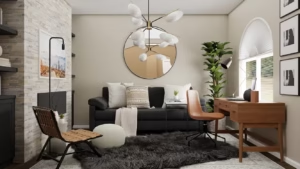
Appearance matters, but comfort and usability come first. Give attention to desk position, lighting, storage, cable management, and the background visible during video calls.
Common Decorating Mistakes to Avoid
Buying Before Measuring
A piece that looks perfect online may overwhelm the room once delivered. Measure the available area and check access routes before ordering large furniture.
Following Trends Too Closely
Trends can provide inspiration, but your home does not need to look like a catalogue. Choose elements that work with your existing space and that you expect to enjoy for more than one season.
Filling Every Empty Surface
Negative space is useful. Leaving some shelves, walls, and tabletops relatively clear can make the decorative pieces you do choose more noticeable.
Ignoring Lighting
A beautiful color palette can look completely different under warm artificial light, cool bulbs, or strong daylight. Consider lighting before making final decisions about paint, fabrics, and artwork.
Choosing Appearance Over Use
A beautiful chair that is uncomfortable or a coffee table that blocks the walking route is not a successful decorating decision. Good interiors balance appearance with everyday function.
A Simple Decorating Process
If you are unsure where to begin, work through the room in this order:
- Clear unnecessary items.
- Identify the room’s main purpose.
- Measure important walls and furniture areas.
- Decide what should stay, move, repair, or go.
- Choose a practical color direction.
- Improve furniture placement.
- Review the lighting.
- Add texture through textiles and materials.
- Introduce artwork and personal objects.
- Step back and remove anything that feels unnecessary.
This sequence keeps decoration connected to the structure and function of the room.
Frequently Asked Questions
What does decorating PushYourDesign mean?
Decorating PushYourDesign can describe an approach to home decorating that combines personal expression with practical interior-design principles. It emphasizes creating rooms that reflect individual taste while remaining comfortable and functional.
Does decorating require a large budget?
No. Rearranging furniture, editing clutter, changing textiles, improving lighting, and reusing existing accessories can change the appearance of a room without a major renovation.
How can I make a room look more personal?
Use items that have genuine meaning to you, such as artwork, photographs, books, collections, handmade pieces, or furniture with a story. Personal details generally make a space feel less generic than simply buying matching décor.
How many colors should a room have?
There is no universal number that works for every room. A practical starting point is to choose a dominant color, a supporting shade, and one or two accents, then use neutral materials to create balance.
What should I decorate first?
Start with the room’s function and furniture layout. Once the large elements work properly, choose lighting, textiles, artwork, and accessories to complete the space.
Conclusion
Decorating PushYourDesign is most useful when it encourages you to make deliberate choices rather than simply accumulate décor. Start with how the room needs to function, work with the furniture and features you already have, and then introduce color, lighting, texture, and personal details.
You do not need a complete makeover to create a noticeably different room. A better layout, a more thoughtful lighting scheme, a few meaningful decorative pieces, and some editing can often accomplish more than filling the space with new purchases.
For additional inspiration, the PushYourDesign site describes its decorating content as covering areas such as color schemes, furniture placement, seasonal décor, and room styling