Introduction
Good interior design involves much more than choosing attractive furniture or following the latest decorating trend. The idea behind designs encompass pushyourdesign can be understood as a broader approach in which design brings together appearance, functionality, comfort, materials, colour, lighting, and the way people actually use a space.
A successful room should look considered while still working for everyday life. A living room needs comfortable seating and practical circulation, a bedroom should support rest and storage, and a kitchen needs an efficient relationship between preparation, cooking, and cleaning areas.
Pushyourdesign can be viewed as a useful starting point for exploring these connections. Instead of treating decoration as a collection of isolated choices, the design process becomes an exercise in creating a space where individual elements work together.
What Does Interior Design Encompass?
Interior design encompasses the planning and coordination of the elements that shape an indoor environment. These elements can include:
- Space planning and room layout
- Furniture selection and placement
- Colour schemes
- Lighting
- Flooring and wall finishes
- Textiles and soft furnishings
- Storage
- Decorative accessories
- Materials and textures
- Proportion and scale
- Practical requirements and daily routines
The important point is that these elements influence one another. A large sofa, for example, does not only affect the appearance of a living room. Its dimensions also influence walking space, furniture arrangement, lighting positions, and the amount of visual space remaining in the room.
How Design Balances Beauty and Function
A visually attractive room can still be frustrating if it does not support the way people live.
Before choosing decorative pieces, consider what the room needs to accomplish. Ask:
- Who uses the room?
- What activities happen there?
- Which items need to be stored?
- How much natural light is available?
- Where should people move through the space?
- Which surfaces need to withstand regular use?
- What atmosphere should the room create?
These questions help prevent a common decorating mistake: buying individual pieces that look good separately but do not work together once they are placed in the room.
A practical design might use concealed storage to reduce clutter, flexible furniture to accommodate different activities, and layered lighting so the room can function at different times of day.
The Role of Space Planning
Space planning is one of the foundations of interior design. It determines how furniture, fixtures, storage, and circulation relate to one another.
Start With Measurements
Measure the room before purchasing large furniture. Record:
- Wall lengths
- Door locations
- Window positions
- Ceiling height
- Radiators and other fixed features
- Electrical outlets
- Built-in storage
- Major architectural details
A simple floor plan can reveal problems that are difficult to see when looking at an empty room.
Think About Movement
Furniture should leave sensible paths through the room. Avoid placing pieces where they block doors, create awkward bottlenecks, or make frequently used areas difficult to access.
The goal is not to fill every available area. Empty space can be useful because it provides breathing room and makes movement easier.
Colour Can Shape the Character of a Room
Colour affects how a room feels and how different design elements relate to one another.
A useful colour scheme often includes a combination of dominant, supporting, and accent colours rather than treating every surface independently.
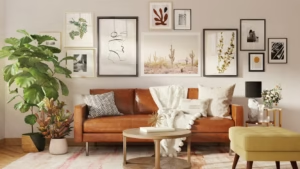
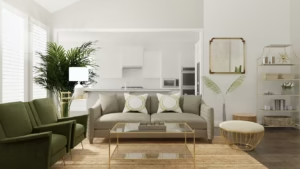
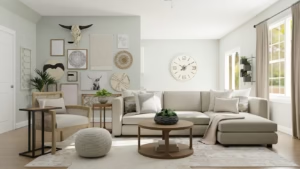
For example, a neutral room could combine:
- A soft wall colour
- Natural wood furniture
- Upholstery in a complementary shade
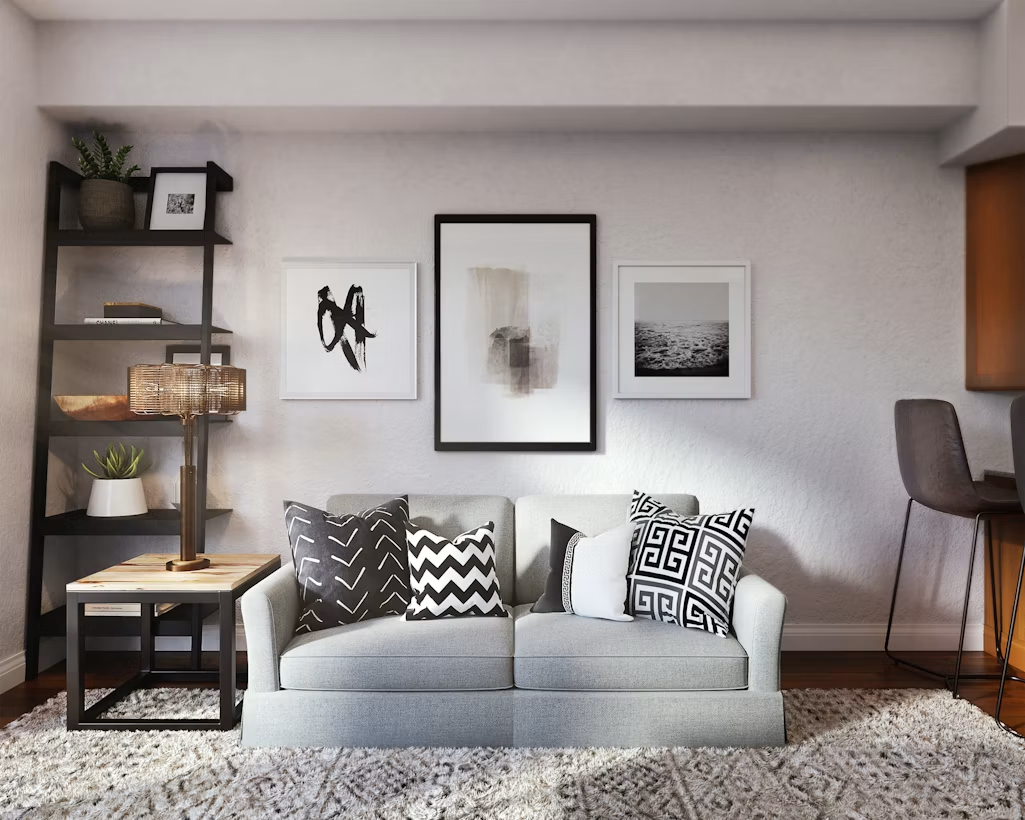
- A darker accent colour in cushions or artwork
- Greenery for an additional natural element
The same approach can work with stronger colours. The difference is that bold colours generally need to be considered alongside lighting, room size, furniture finishes, and surrounding tones.
Lighting Is Part of the Design
Lighting deserves attention from the beginning rather than being treated as a finishing touch.
A room may benefit from several forms of lighting:
Ambient lighting provides general illumination.
Task lighting helps with activities such as reading, cooking, working, or applying makeup.
Accent lighting draws attention to features such as artwork, shelving, architectural details, or decorative objects.
Natural light should also influence planning. Window coverings can control glare and privacy while still allowing daylight into the room.
Materials and Texture Add Depth
Two rooms can use similar colours but feel completely different because of their materials and textures.
Wood, stone, glass, metal, wool, cotton, linen, ceramics, and other materials each contribute different visual and tactile qualities.
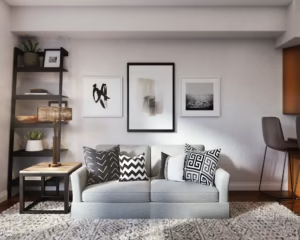
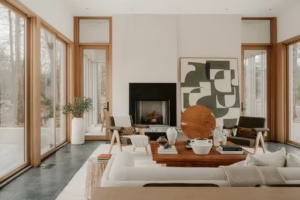
Texture becomes particularly useful in rooms based around neutral colours. A combination of smooth walls, woven textiles, natural timber, textured upholstery, and ceramic accessories can create visual interest without requiring a complicated colour palette.
When selecting materials, appearance should be considered alongside durability and maintenance. A surface that requires constant care may not be suitable for a busy household simply because it looks attractive.
Furniture Should Relate to the Room
Furniture works best when its size and visual weight are appropriate for the space.
A common mistake is selecting furniture according to individual appeal without considering the entire room. A sectional sofa that dominates a small living area, for instance, may leave insufficient space for movement or additional functions.
Consider:
- Scale
- Proportion
- Comfort
- Storage needs
- Material durability
- Maintenance
- Relationship to other furniture
Furniture does not have to match perfectly. In many interiors, coordinated differences create more character than purchasing an identical set.
Personal Style Makes a Space Feel Complete
Good design does not require a home to look like a showroom.
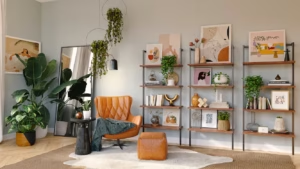
Personal belongings can make an interior more meaningful. Books, artwork, photographs, collected objects, plants, textiles, and furniture with personal significance can contribute to the identity of a room.
The challenge is editing rather than eliminating personality. Displaying fewer meaningful objects can sometimes create a stronger visual effect than covering every surface with accessories.
Designing for Different Rooms
Each room presents different requirements, so the design approach should change accordingly.
Living Room
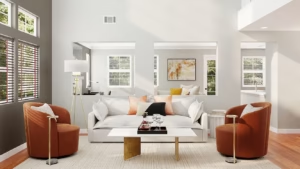
Focus on conversation, relaxation, circulation, lighting, and flexible storage. Arrange seating so that people can comfortably interact rather than simply pointing every piece toward a television.
Bedroom
Comfort and calm should take priority. Consider the position of the bed, bedside lighting, clothing storage, window treatments, and the amount of visual clutter.
Kitchen
Function is especially important. Storage, work surfaces, appliance locations, lighting, and movement between key work areas should be considered before decorative details.
Home Office
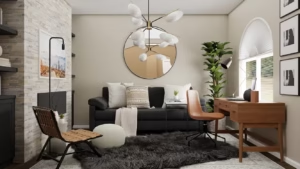
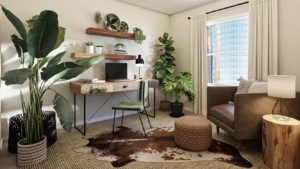
A useful workspace needs appropriate lighting, comfortable furniture, storage, and enough surface area for the activities being performed. Cable management can also make a noticeable difference to the finished appearance.
Bathroom
Bathrooms require materials and fixtures that suit moisture-prone conditions. Storage, lighting, ventilation, cleaning requirements, and available floor space all influence the design.
Common Interior Design Mistakes to Avoid
Buying Before Measuring
A piece of furniture can look perfectly proportioned online or in a showroom but become overwhelming once it enters a smaller room.
Choosing Everything From One Style
A room based too rigidly on one matching style can lack visual variety. Combining compatible materials and periods can create a more individual result.
Ignoring Lighting
Even a carefully planned colour palette can look different under warm artificial lighting, cool artificial lighting, or daylight.
Prioritising Appearance Over Use
A beautiful chair that is uncomfortable or a decorative storage solution that cannot hold everyday belongings may quickly become impractical.
Filling Every Empty Area
Not every wall or corner needs furniture or decoration. Leaving intentional negative space can improve both circulation and visual balance.
A Practical Process for Planning a Home Interior
A straightforward design process can make decisions easier.
Step 1: Define the purpose.
Decide what the room needs to support.
Step 2: Measure the space.
Create a basic floor plan and mark permanent features.
Step 3: Establish priorities.
Separate essential purchases from decorative additions.
Step 4: Choose a general direction.
Select a style, colour family, or material palette that provides consistency.
Step 5: Plan large elements first.
Position furniture, storage, lighting, and other major components.
Step 6: Add layers.
Introduce textiles, artwork, plants, accessories, and smaller decorative details.
Step 7: Review the room.
Look at circulation, comfort, lighting, storage, and visual balance before making additional purchases.
This process reduces the risk of making expensive decisions too early.
How Pushyourdesign Can Inspire More Thoughtful Interiors
The concept behind designs encompass pushyourdesign is useful when design is approached as a connected system rather than a collection of isolated decorating choices.
A successful interior does not necessarily depend on expensive furniture, a large room, or a particular decorating style. The stronger foundation is understanding how the available space will be used and then making deliberate choices about layout, materials, colour, lighting, furniture, and personal details.
For homeowners in the UK and USA, the specific choices may also vary according to housing type, climate, available space, construction characteristics, and personal lifestyle. A compact flat may require a different strategy from a large detached house, while a busy family home may have different material and storage priorities from a quiet adult household.
Frequently Asked Questions
What does interior design encompass?
Interior design encompasses space planning, furniture, lighting, colour, materials, textures, storage, finishes, and decorative elements, while also considering how people use and move through a space.
Is interior design only about decoration?
No. Decoration is one part of interior design. Interior design can also involve layout, functionality, lighting, materials, storage, and the relationship between different elements of a room.
How do I start designing a room?
Begin by defining how the room will be used, measuring the available space, identifying essential furniture and storage requirements, and establishing a general visual direction before buying decorative items.
Why is space planning important?
Space planning helps ensure that furniture and other elements fit the room appropriately and that people can move through the space comfortably.
Can a small room still have a well-designed interior?
Yes. Small rooms can benefit from appropriately scaled furniture, efficient storage, useful lighting, flexible layouts, and careful use of colour and visual space.
Conclusion
Interior design encompasses far more than selecting attractive objects. The strongest results come from considering how layout, furniture, colour, lighting, materials, storage, and personal style work together.
For anyone exploring home interiors through Pushyourdesign, the most useful starting point is the room itself: understand its purpose, measure its limitations, identify practical needs, and then build the visual character around those foundations. A thoughtful design should not simply look good in a photograph—it should make sense for everyday life.