Introduction
If you searched for pushyourdesign com, you may be looking for a home design resource focused on interior inspiration, decorating ideas, and practical ways to improve living spaces. The PushYourDesign brand is associated online with home décor, interior design, creative living, and home improvement content.
For homeowners and renters in the UK and USA, useful design advice needs to go beyond attractive rooms. Good decorating decisions also consider how a space is used, available natural light, storage, maintenance, comfort, budget, and the character of the people living there.
This guide explains what to look for when exploring PushYourDesign-related content and how to turn design inspiration into practical improvements at home.
What Is PushYourDesign?
PushYourDesign is presented online as a home and interior design-focused platform covering areas such as home décor, interior inspiration, home improvement, lifestyle ideas, furniture, organization, DIY projects, and outdoor living.
The broader design philosophy is centered on making spaces feel personal rather than simply reproducing a showroom or social-media look. That means using design principles as a framework while adapting decisions to the room, household, budget, and everyday routine.
For example, a visually attractive living room may not work well if there is nowhere to store children’s belongings, if seating blocks the main walkway, or if the lighting is too harsh at night. Practical design starts by solving those problems before adding decorative details.
How to Use Home Decor Inspiration More Effectively
Browsing design ideas is useful, but copying an entire room rarely produces the same result in another home. Instead, identify the specific element that works for you.
Start With the Room’s Purpose
Before buying furniture or choosing paint, ask:
- What activities happen here?
- How many people regularly use the room?
- Does the space need additional storage?
- Which furniture must remain?
- Where are the doors, windows, radiators, and electrical outlets?
- Does the room need to serve more than one purpose?
A family living room, for example, may need durable upholstery and accessible storage, while a formal sitting room can accommodate more delicate furnishings.
Choose a Focal Point
Most rooms benefit from having one obvious visual anchor. Depending on the space, this could be:
- A fireplace
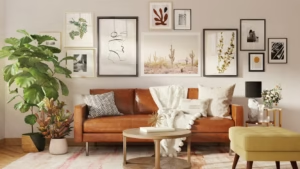
- A large artwork
- A distinctive sofa
- A statement light fixture
- A textured feature wall
- A strong architectural detail
- A view through a large window
Once the focal point is established, supporting pieces can be selected without making every object compete for attention.
PushYourDesign Ideas for Different Rooms
Living Room
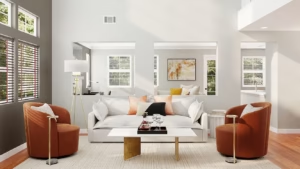
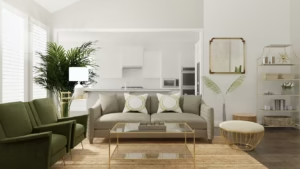
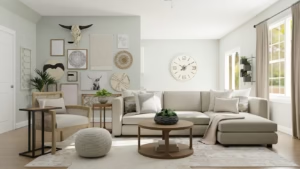
A comfortable living room needs a layout that supports conversation and movement.
Instead of pushing every item against the walls, consider whether the seating can create a defined conversation area. Leave practical walking routes between major pieces of furniture and avoid blocking doors or frequently used storage.
A layered lighting scheme can also make the room more adaptable. Combine general illumination with task or accent lighting so the room works for different activities throughout the day.
Bedroom
Bedrooms benefit from visual calm and functional storage.
A simple approach is to establish the bed as the main anchor, then coordinate bedside lighting, textiles, storage, and artwork around it. Avoid filling every available surface with decorative objects; keeping useful circulation space around the bed can make a smaller room feel easier to use.
Kitchen
Kitchen design needs to balance appearance with workflow.
Think about where food is prepared, washed, stored, and served. Frequently used items should be convenient to reach, while rarely used equipment can be stored farther away.
Decorative choices such as open shelving, pendant lights, backsplashes, and hardware can add personality without compromising the kitchen’s basic function.
Home Office
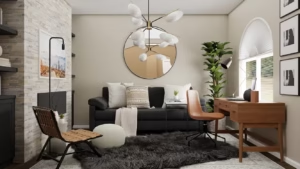
A home office should support the work being performed rather than simply look like an office.
Pay attention to:
- Desk position
- Screen placement
- Task lighting
- Cable management
- Storage
- Background visibility during video calls
- Comfortable movement around the workspace
Natural light can be valuable, but glare on a monitor should also be considered when positioning a desk.
Use Color, Texture, and Lighting Together
Three elements often have a particularly strong effect on how a room feels: color, texture, and light.
Color establishes the visual foundation, while texture prevents a room from feeling flat. Lighting changes how both are perceived throughout the day.
Rather than selecting every item independently, choose a small group of compatible colors and repeat them in different materials. For example, a neutral wall can be combined with timber, woven textiles, ceramics, and a small amount of a stronger accent color.
Natural light should also influence color choices. A shade that looks soft and warm in one room can appear considerably different in a space with limited daylight or strong afternoon sun.
Make Small Spaces Feel More Functional
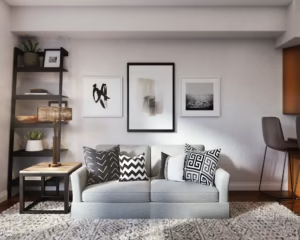
Small rooms do not necessarily require tiny furniture. The more important question is whether each item earns its space.
Useful strategies include:
- Measure before buying. Check furniture dimensions against doorways, stairs, and available floor space.
- Prioritize storage. Use furniture that performs more than one function where appropriate.
- Protect circulation routes. A room feels cramped when movement paths are obstructed.
- Use vertical space. Wall-mounted storage can reduce pressure on the floor area.
- Limit visual clutter. A smaller number of purposeful objects can create a calmer appearance.
Mirrors can also change how a room is perceived, but they work best when positioned to reflect something useful or attractive rather than simply added because the room is small.
Think About Comfort Before Trends
Interior trends can provide inspiration, but they have a short useful life compared with the furniture and finishes people keep for years.
A more durable approach is to separate long-term decisions from easy-to-change details.
Longer-Term Choices
These can include:
- Flooring
- Built-in storage
- Kitchen cabinetry
- Major furniture
- Bathroom fixtures
- Lighting infrastructure
Easier Updates
These might include:
- Cushions
- Throws
- Artwork
- Decorative accessories
- Small lamps
- Seasonal textiles
Keeping trend-sensitive choices relatively easy to replace allows a room to evolve without requiring a complete redesign.
Bring Natural Elements Into the Home
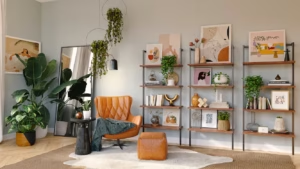
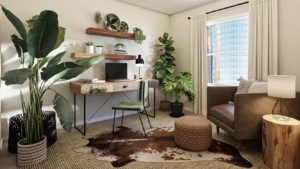
Nature-inspired interiors can use more than houseplants. Timber, stone, woven materials, natural textures, daylight, and views of outdoor greenery can all contribute to a connection with the outdoors.
PushYourDesign-related material also emphasizes nature-inspired spaces and the relationship between interior environments and outdoor living.
Plants should be selected according to the actual conditions in the room rather than appearance alone. Consider available light, temperature, humidity, maintenance requirements, and whether pets or children have access to the plant.
Moisture management matters too. The U.S. Environmental Protection Agency recommends keeping indoor humidity below 60%, with 30–50% given as an ideal range, because excessive moisture can contribute to mold growth.
Avoid the Most Common Decorating Mistakes
A few problems appear repeatedly when people decorate without considering the whole room.
Buying Furniture Before Measuring
A product can look appropriately sized in a photograph but overwhelm an actual room. Measure the available area and check the dimensions of access points before ordering.
Matching Everything Too Closely
A room where every piece uses the same finish, color, and material can feel flat. Controlled variation in texture, shape, and tone usually creates more visual interest.
Ignoring Lighting
A room’s appearance can change significantly between daylight and evening. Plan lighting according to activities rather than relying on one central ceiling fixture.
Prioritizing Appearance Over Use
A beautiful chair that is uncomfortable, a table that blocks movement, or storage that is difficult to access will eventually become a practical problem.
Following Trends Too Literally
A trend can be useful inspiration without becoming the entire design. Adapt ideas to the architecture and everyday needs of the home.
A Practical Process for Redesigning a Room
If you want to turn online inspiration into a real project, use this sequence:
1. Define the problem.
Decide what is not working. Is the room too cluttered, poorly lit, uncomfortable, or simply lacking personality?
2. Measure the space.
Record room dimensions, doors, windows, fixed features, and important clearance areas.
3. Set priorities.
Separate essential purchases from decorative upgrades.
4. Choose a design direction.
Select a general style, color family, and material palette rather than individual products at random.
5. Plan the layout.
Arrange major furniture first. Decorative items come later.
6. Add lighting and textiles.
These can substantially change the atmosphere without requiring structural work.
7. Review the room after living with it.
Some problems only become obvious after the space is used for several days.
This process keeps inspiration connected to practical decision-making.
Is PushYourDesign Useful for Homeowners?
PushYourDesign-related content can be useful as a source of ideas for people researching interior design, home décor, organization, home improvement, and creative living. Its online material covers a broad range of design subjects, including room styling and practical home solutions.
The most useful way to approach any design publication is to treat inspiration as a starting point. Before adopting an idea, check whether it suits your room dimensions, climate, maintenance requirements, household needs, and budget.
That distinction matters because a design that looks excellent in a photograph may depend on architectural features or proportions that are completely different from those in your home.
FAQ
What is pushyourdesign com about?
PushYourDesign is associated with online content about home décor, interior design, home improvement, lifestyle, and creative living. Different web properties using the PushYourDesign name exist, so readers should check the exact domain before assuming that separate sites belong to the same organization.
What topics can I find on PushYourDesign?
Topics associated with the brand include interior design, home décor, decorating ideas, furniture, organization, DIY projects, home improvement, sustainable design, gardening, and outdoor living.
How should I use online interior design ideas?
Use them to identify ideas that fit your needs rather than copying an entire room. Check dimensions, lighting, materials, maintenance, functionality, and budget before making a purchase or structural change.
How can I make my home feel more personal?
Start with objects, colors, artwork, furniture, and materials that have meaning to you. Then organize them around a practical layout so the room remains comfortable as well as visually distinctive.
Should I follow interior design trends?
Trends can provide inspiration, but permanent purchases are usually better guided by durability, comfort, function, and compatibility with the home’s architecture. Trend-sensitive accessories are easier to change later.
Conclusion
The useful idea behind exploring pushyourdesign com is not simply finding attractive rooms to copy. It is learning how design choices work together and then adapting those principles to your own space.
Start with function, measure carefully, establish a clear visual direction, and use color, texture, lighting, and personal details to build the room gradually. That approach makes it easier to create a home that looks considered while still working for everyday life.