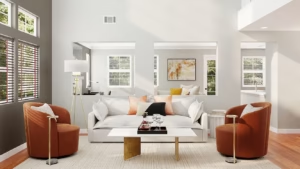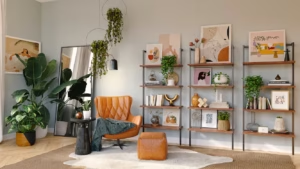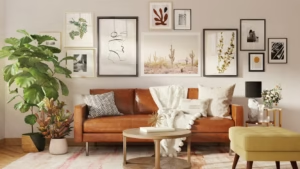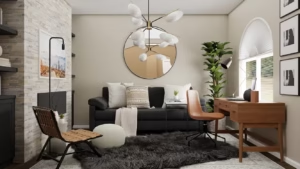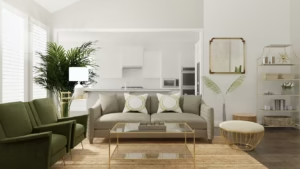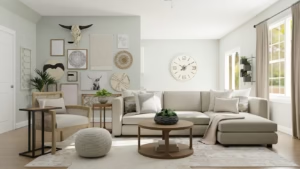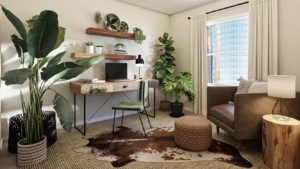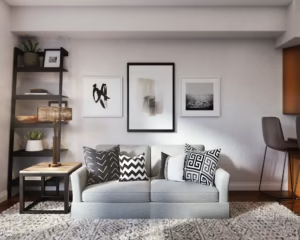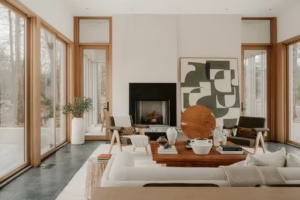
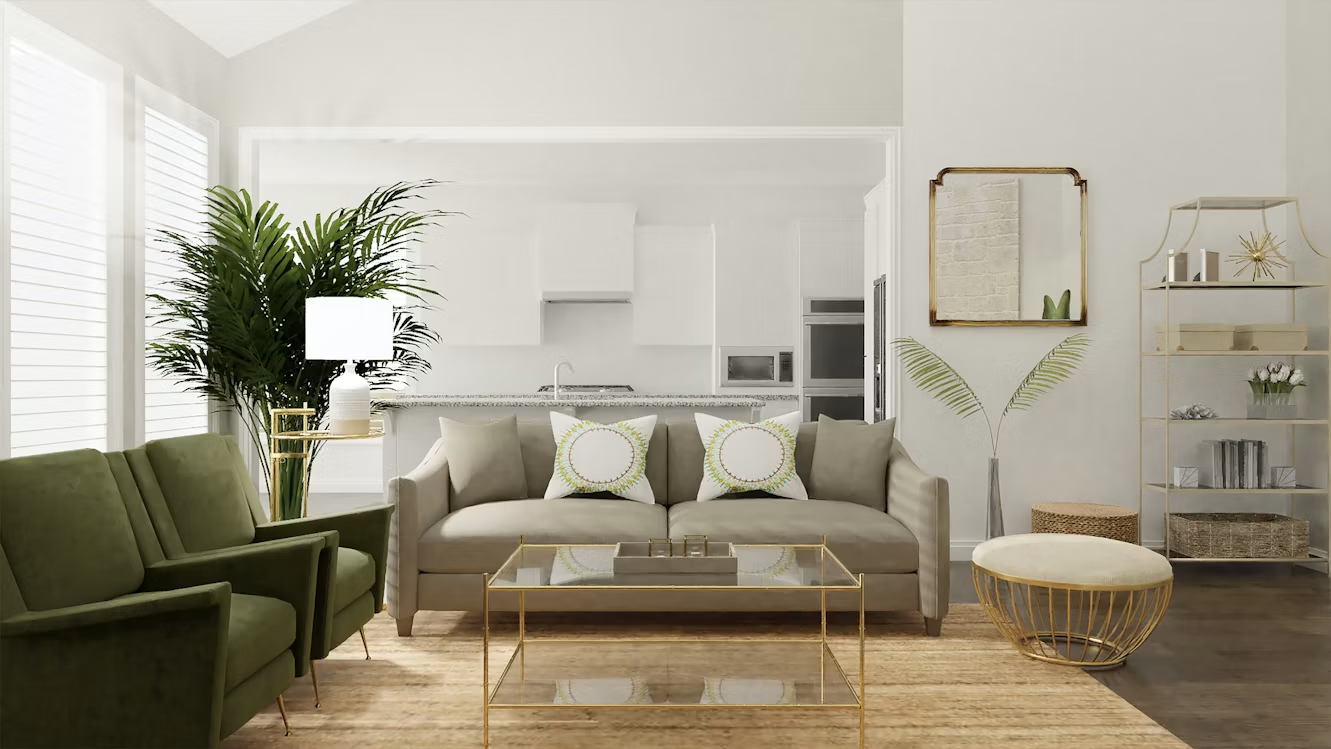
Finding useful home decor inspiration is easy. Finding ideas that actually work in a real home is harder. PushYourDesign.com presents itself as a design resource covering practical ideas, guides, and inspiration for homeowners and designers. Its current site includes content related to interior design, exterior design, home improvement, and broader design topics.
For homeowners in the UK and US, the most useful design advice is rarely about copying a picture exactly. Good decorating decisions depend on the room’s size, natural light, existing furniture, budget, storage needs, and the way the space is actually used. That makes practical guidance more valuable than simply following a trend.
What Can You Find on PushYourDesign.com?
PushYourDesign.com currently positions itself as a resource for homeowners and designers looking for practical design ideas, step-by-step guidance, and resources for real projects. Its homepage includes articles covering interior design as well as broader subjects such as responsive design, design systems, and UI/UX.
For someone interested specifically in home decor, the site’s interior-design material is the most relevant starting point. One published guide discusses planning interiors around personal preferences, functionality, lighting, furniture, finishes, budgets, and project preparation.
That approach is useful because decorating is not simply a matter of choosing attractive objects. A room needs to function well before individual decorative details can make it feel finished.
How to Turn Design Inspiration Into a Real Room
A common decorating mistake is starting with individual products rather than the room itself. Instead, begin by deciding what you need the space to accomplish.
1. Define the room’s purpose
A living room used primarily for relaxing needs different furniture placement from one regularly used for entertaining. Likewise, a bedroom should prioritise comfortable circulation and storage rather than simply fitting in as many decorative pieces as possible.
Write down the activities that matter most before buying anything.
2. Work with the existing architecture
Look at windows, doors, fireplaces, built-in storage, radiators, electrical outlets, and other fixed elements. These features determine what furniture arrangements are practical.
In smaller UK homes, apartments, and many urban US properties, making good use of awkward corners and limited floor space can have more impact than buying additional decoration.
3. Establish a colour direction
A colour scheme does not have to mean using only three colours. A more practical approach is to establish a dominant background colour, supporting tones, and one or two accents.
For example, warm neutrals can provide the foundation while wood, muted green, terracotta, navy, or another accent colour adds character. The right combination depends on the room’s lighting and existing finishes.
4. Add texture
When a room contains mostly similar surfaces, it can look flat even when the colours are attractive.
Texture can come from:
- Rugs
- Curtains
- Cushions
- Throws
- Wood
- Woven baskets
- Ceramic pieces
- Upholstered furniture
- Artwork
The goal is not to add everything at once. A few contrasting materials can make a room feel considerably more layered.
Interior Design Is More Than Decoration
One useful distinction is the difference between interior design and decorating.
Decorating generally focuses on the visual and finishing elements of a space, including colour, furniture, accessories, fabrics, artwork, and styling. Interior design can involve a broader set of decisions, including spatial planning, lighting, materials, functionality, and how different elements work together.
PushYourDesign.com’s interior-design content describes a process that includes planning, mood boards, floor plans, furniture and lighting selection, sourcing, and project coordination.
For a simple room refresh, homeowners may only need decorating guidance. A larger renovation can require much more detailed planning.
Choosing Furniture Without Making the Room Feel Crowded
Furniture should be selected according to both scale and function.
Before purchasing a large sofa, dining table, bed, cabinet, or shelving unit, measure the available space. Then consider the clearance required for doors, drawers and normal movement around the room.
A useful test is to mark the proposed furniture footprint on the floor using painter’s tape. This gives you a quick visual indication of whether the piece is likely to overwhelm the room.
Pay particular attention to:
- Walking routes
- Door swings
- Window access
- Storage requirements
- Seating capacity
- Sight lines
- The relationship between furniture pieces
A beautiful item can still be the wrong choice if it prevents the room from working comfortably.
Lighting Can Change the Entire Feel of a Room
Lighting deserves attention early in the decorating process rather than being treated as a final accessory.
A useful scheme usually combines several types of lighting:
Ambient lighting provides general illumination.
Task lighting supports activities such as reading, cooking or working.
Accent lighting highlights artwork, architectural details or decorative objects.
Natural light should also influence your decisions. A north-facing room, a brightly lit south-facing space, and a room with limited daylight can make the same paint colour or fabric appear noticeably different.
For that reason, test colours and finishes in the actual room at different times of day before committing to a large purchase.
How to Decorate Without Making the Space Look Cluttered
More decoration does not automatically create a better-designed room.
A useful strategy is to give important objects enough visual space around them. Instead of filling every shelf, wall and tabletop, choose a smaller number of pieces with different heights, shapes, textures or materials.
For example, a console table might need only a mirror or artwork, a lamp and a small decorative object. The exact arrangement will depend on the furniture and architecture, but the principle is simple: decoration should support the room rather than compete with it.
This is particularly useful in smaller homes, where excessive accessories can quickly reduce the sense of space.
A Practical Decorating Process
If you are starting a room from scratch, work through the project in this order:
- Measure the room.
- Identify how the room will be used.
- Keep furniture you already want to retain.
- Choose a broad colour direction.
- Plan the furniture layout.
- Consider natural and artificial lighting.
- Select major furniture pieces.
- Add rugs, curtains and other textiles.
- Introduce artwork and accessories.
- Remove anything that does not serve a purpose.
This order prevents a common problem: buying decorative items first and then discovering that the larger pieces do not work together.
What Should You Consider Before Hiring Design Help?
Professional design assistance can be useful when a project involves complicated layouts, major renovations, several rooms, difficult sourcing decisions, or simply a lack of time.
Before engaging a designer or design service, clarify:
| Question | Why it matters |
|---|---|
| What rooms are included? | Defines the actual project scope |
| Is the service remote, on-site, or both? | Sets expectations about collaboration |
| Are floor plans included? | Useful for furniture and spatial planning |
| Who purchases products? | Clarifies responsibility for ordering |
| Are installation services included? | Prevents confusion near project completion |
| How are revisions handled? | Establishes how changes affect the project |
| What is included in the quoted fee? | Helps compare services accurately |
| How are delays communicated? | Important when furniture or materials have long lead times |
PushYourDesign.com’s published interior-design material describes a workflow involving an initial brief, project scope, concept development, client feedback, selections, purchasing, delivery coordination and a final walkthrough. These details should be confirmed directly with the provider if you are considering a service, because published website information can change.
Designing for UK and US Homes
Although many decorating principles work across both markets, homes themselves can differ substantially.
UK properties may include compact terraces, Victorian or Edwardian homes, flats, cottages and newer developments. Features such as fireplaces, narrower rooms and period architectural details can strongly influence furniture placement and colour choices.
US homes can range from apartments and townhouses to larger suburban properties and open-plan layouts. Room proportions, heating and cooling systems, windows and storage arrangements can therefore vary considerably.
The best design advice is consequently adaptable rather than prescriptive. A decorating idea should be adjusted to the building instead of forcing the building to resemble an image found online.
Questions to Ask Before Buying New Decor
Before purchasing an item, ask:
- Does it solve a genuine problem?
- Is it the right size?
- Does the material suit how the room is used?
- Will the colour work with existing finishes?
- Is it easy to maintain?
- Can it be moved or reused elsewhere?
- Does it add something that the room currently lacks?
These questions can reduce impulse purchases and help create a more coherent interior.
FAQ
Is PushYourDesign.com about home design?
Yes. The current website includes interior and exterior design content alongside broader design subjects. Its interior-design material discusses practical planning, furniture, lighting, finishes and project preparation.
Can home decor ideas work in both the UK and US?
Many fundamental principles are transferable, including proportion, lighting, colour coordination, storage and furniture planning. However, the layout, architecture, climate and construction of individual homes should determine the final design choices.
Should I choose furniture or paint first?
There is no universal rule, but selecting the major furniture and understanding the room’s lighting can make colour decisions easier. Paint samples should still be tested in the actual room before committing.
How do I make a small room feel less cluttered?
Prioritise necessary furniture, maintain clear walking routes, use appropriately scaled pieces and avoid filling every available surface with accessories. Storage that keeps everyday items organised can also make a significant difference.
Do I need an interior designer for a room makeover?
Not necessarily. A straightforward cosmetic refresh may be manageable without professional help. More complicated renovations, structural changes, detailed space planning or projects involving multiple trades can benefit from professional design input.
Conclusion
Good home decor starts with the room rather than the shopping list. Measure the space, understand how it will be used, work with its natural light and architectural features, and choose furniture and finishes that support everyday life.
PushYourDesign.com can serve as one source of design inspiration and planning ideas, particularly for readers exploring interior-design concepts. Its current content covers practical project planning alongside broader design subjects.
The most successful room is not necessarily the one that follows the latest trend. It is the one where the layout makes sense, the materials suit the way the space is used, and the decorative details feel intentional rather than added simply to fill an empty corner.